


Innovative Drone Technology for Facade Cleaning Technology
Keeping the exterior of commercial buildings spotless is no small feat. Traditional methods often involve scaffolding, ropes, or lifts, which can be costly, time-consuming, and sometimes risky. But what if you could clean building facades with the precision of a surgeon and the agility of a bird? That’s where innovative drone technology steps in, transforming facade cleaning into a safer, faster, and more efficient process.
The Rise of Facade Cleaning Technology
Facade cleaning technology has evolved dramatically over the past decade. From manual scrubbing to pressure washing and chemical treatments, each method has its pros and cons. However, these traditional approaches often disrupt daily operations, require extensive labor, and pose safety hazards.
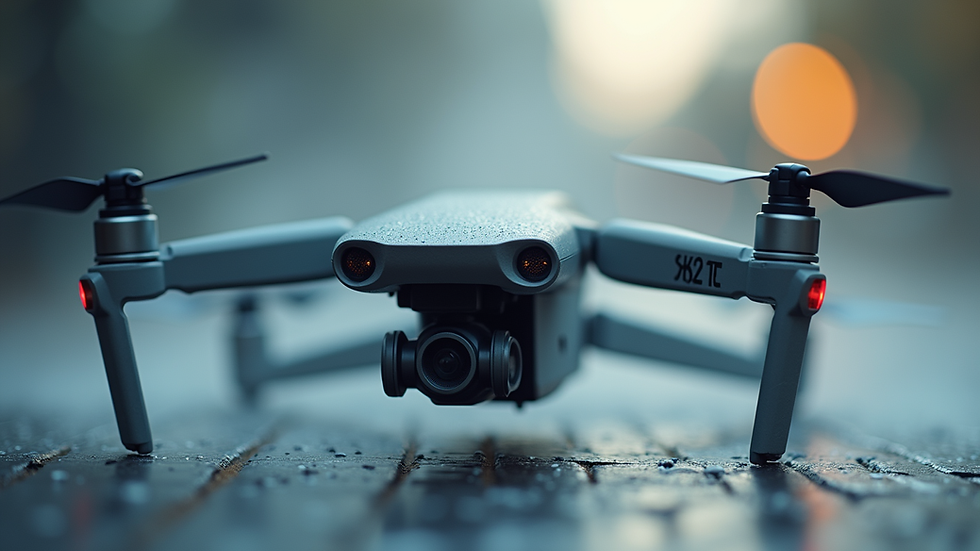
Enter drones. These flying machines are no longer just for aerial photography or delivery. They have become powerful tools in the maintenance industry, especially for cleaning building exteriors. Equipped with high-resolution cameras, sensors, and cleaning attachments, drones can access hard-to-reach areas without the need for scaffolding or lifts.
Imagine a drone hovering steadily at eye level, scanning a skyscraper’s glass panels, identifying dirt spots, and then deploying a gentle spray of eco-friendly cleaning solution. This is not science fiction; it’s the future of facade maintenance.

How Drone Technology Enhances Facade Cleaning
Drones bring several advantages to facade cleaning that traditional methods struggle to match:
Safety First: No more dangling from ropes or climbing unstable scaffolds. Drones handle the risky parts, reducing accidents and insurance costs.
Speed and Efficiency: A drone can cover large surfaces quickly, cutting down cleaning time from days to hours.
Precision Cleaning: Advanced sensors and AI allow drones to target only dirty spots, saving water and cleaning agents.
Eco-Friendly Solutions: Many drones use biodegradable cleaning fluids and minimize water usage, aligning with green building practices.
Cost-Effective: Reduced labor, equipment rental, and downtime translate into significant savings.
For example, a hospital with a glass facade can schedule drone cleaning during off-peak hours without disturbing patients or staff. The drone’s quiet operation and precise targeting ensure the building looks pristine without any hassle.
The Technology Behind Advanced Drone Facade Cleaning
The magic lies in the integration of several cutting-edge technologies:
High-Resolution Cameras and Sensors: These allow drones to map the building surface in detail, detecting dirt, grime, and even micro-cracks.
AI and Machine Learning: Algorithms analyze the data to plan the most efficient cleaning route and adjust cleaning intensity.
Water and Cleaning Solution Delivery Systems: Miniature pumps and nozzles spray eco-friendly solutions exactly where needed.
Autonomous Flight Control: GPS and obstacle avoidance systems enable drones to navigate complex building geometries safely.
Real-Time Monitoring: Operators can oversee the cleaning process remotely, ensuring quality and safety.
This combination creates a system that is not only effective but also adaptable to various building types, from glass skyscrapers to brick facades.
Practical Applications and Benefits for Property Maintenance
Using drones for facade cleaning is not just a futuristic idea; it’s a practical solution with tangible benefits for property maintenance:
Commercial Properties: Office buildings, shopping centers, and hotels benefit from quick, non-intrusive cleaning that maintains a professional appearance.
Homeowners Associations (HOAs): Drones can clean community buildings and common areas efficiently, preserving property values.
Schools and Hospitals: Sensitive environments where minimizing disruption is critical can rely on drones for quiet, safe cleaning.
Construction Sites: Newly built facades can be cleaned regularly without scaffolding, speeding up project timelines.
If you manage a property, consider how drone cleaning can reduce downtime and maintenance costs. Scheduling regular drone cleaning can prevent dirt buildup, which often leads to costly repairs or replacements.
For those interested in exploring this technology further, advanced drone facade cleaning offers a glimpse into how these innovations are reshaping property maintenance.
Looking Ahead: The Future of Facade Cleaning Technology
The potential of drone technology in facade cleaning is vast and still expanding. Future developments may include:
Integration with Building Management Systems: Automated cleaning schedules triggered by sensors detecting dirt or pollution levels.
Enhanced Cleaning Attachments: From UV sterilization to anti-graffiti coatings applied by drones.
Swarm Technology: Multiple drones working in tandem to clean large complexes simultaneously.
Data Analytics: Using cleaning data to predict maintenance needs and optimize building upkeep budgets.
As these advancements unfold, property owners will enjoy cleaner, safer, and more sustainable buildings with less effort and expense.
Embracing drone technology today means staying ahead of the curve and ensuring your property remains a shining example of modern maintenance.
Innovative drone technology is revolutionizing how we approach facade cleaning. It combines safety, efficiency, and environmental responsibility in a way that traditional methods simply cannot match. By adopting these advancements, you can protect your investment, enhance curb appeal, and contribute to a greener future.
The sky is no longer the limit - it’s the starting point for cleaner, smarter building maintenance.


Comments